• Networking through Arts and Culture

Richard Florida, The Rise of the Creative Class Revisited


    I have been reading this book for the past Read more

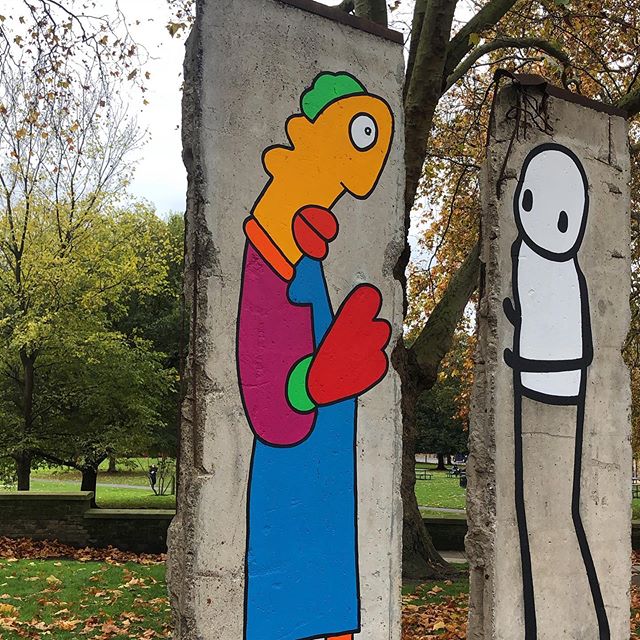
Street Art in Shoreditch


Urban scenes are changing so rapidly in Shoreditch. Street Read more

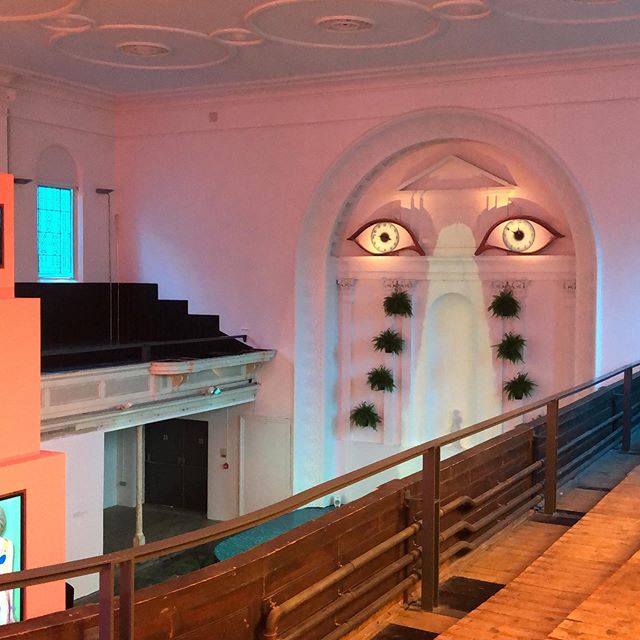
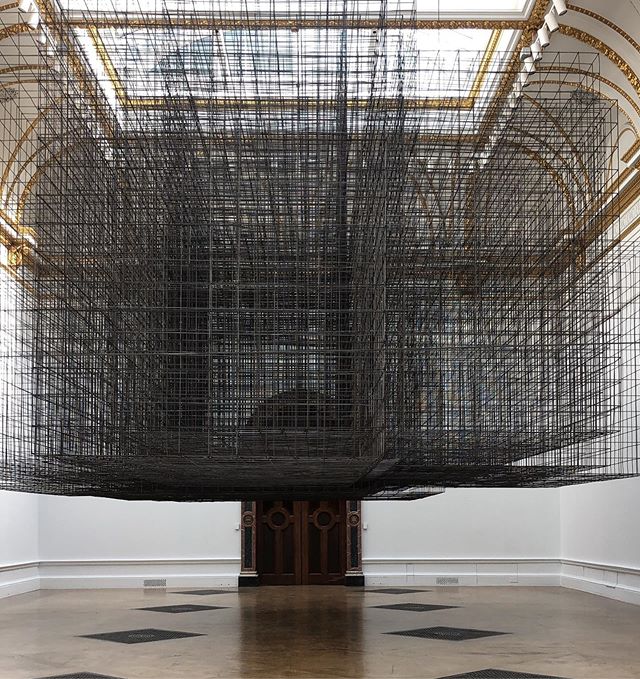
Books of Dust at the Royal Academy Gallery Café


  It was the first time that most of us Read more

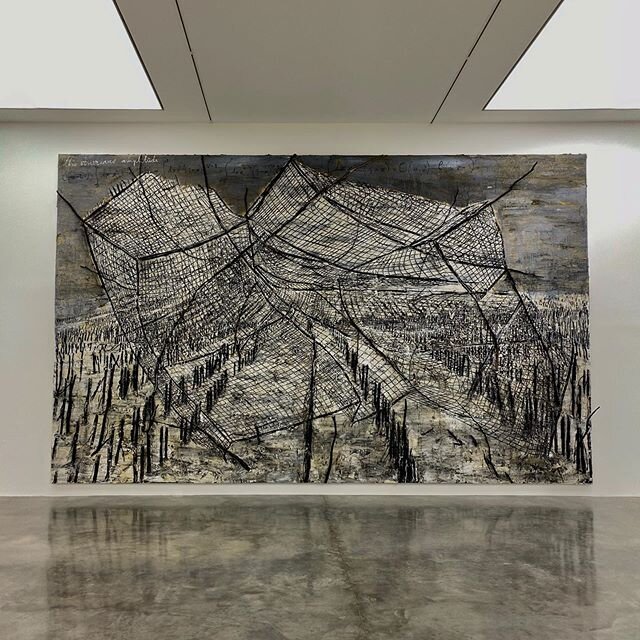
London: New Art Exhibitions


Below is a list of the main exhibitions starting Read more

Belgian Chocolate Maker Laurent Gerbaud Visiting London In February


In February, we are bringing the famous Belgian chocolate Read more

INSPIRE. DISCOVER. CONNECT.

Posted on by michele Posted in Uncategorized | Comments Off

I designed From my City as a boutique event management and advisory company that creates unique, tailor-made networking experiences and events in one of the world’s most culturally vibrant cities, London. We also offer our services in Brussels and Paris for specific projects.

At FMC, we focus on connecting people using cultural and artistic themes to set the backdrop and foster better networking and relationship building. We are convinced that art related activities contribute to the well-being of individuals and increase self-confidence and creativity at work. Supporting the Arts and deepening people’s appreciation for it, is also an important part of our mission.

WE DELIVER ARTS & CULTURE TO YOUR BUSINESS.

Let us create an experience to inspire connections and encourage personal development.

SIGN UP FOR OUR FREE NEWSLETTER

For me, there are not several arts, but only one: music, painting, literature differ only in their means of expression.

Maurice Ravel

The best networkers are inherently curious. They are curious about people, businesses and new experiences.

Heather Townsend, Business Networking, FT Guides

Richard Florida, The Rise of the Creative Class Revisited

Posted on by michele Posted in Books | Leave a comment


I have been reading this book for the past days. This fascinating subject is so intimately related to what I try to achieve with From My City: giving each professional the opportunity to stimulate his creative side.

Florida’s purpose in this book is to examine how and why we value today creativity more highly than we ever have before and what are the effects of the rise of the Creative Class on our economy, social geography, communities and  workplaces.

In America, one-third of all employed people belong to the Creative Class. The Creative Class does not only include people in science, engineering, architecture, design, education, arts, music but also creative professionals in business and finance, law, health care etc…i.e people engaged in complex problem solving that requires independent judgement and high level of education or human capital.

I have selected 10 main findings extracted from this book.

1. Every single human being is creative: creativity is a capacity inherent to varying degrees in all of us.

2. Creativity requires a supportive environment. It must be motivated and nurtured in a multitude of ways by employers, by the creative people themselves and by the place we live.

3. Creativity involves the ability to synthesise: going through data, perceptions and materials to come up with combinations that are new and useful.

4. A Creative economy requires diversity. It is not limited to technological innovation or new business models. It is multifaceted, multidimensional and experiential. Various forms of creativity such as technological creativity (invention), economic creativity (entrepreneurship) and cultural and artistic creativity are deeply interrelated. They share a common thought process, reinforce each other by cross-fertilization and mutual stimulation.

5. The most prosperous cities are modelled on economic development that takes shape around the 3T’s: technology, talent and tolerance. What powers cities is not their great buildings, companies or physical infrastructure but the concentration of skilled and talented people

6.The Creative Class values are individuality, meritocracy, diversity and openness. Great cities have always been melting pots of races and cultures. Diversity also means excitement and energy. Places are also valued for their authenticity and uniqueness.

7.  Money is not the only driving force. Research shows that people want enough money to live in the manner they prefer but creative workers are most motivated by their work’s intrinsic rewards i.e exciting projects, challenging work, work that makes a difference, the flexibility to pursue side projects and outside interests which they believe will also benefit the company.

8. The change of professional environment. Many people interviewed declared that they are fed up with the politics and bureaucracy of corporate life. They are reinventing themselves in the Creative Economy. Skill acquisition has become an individual responsibility. Creative workers invest tremendous amounts of time and money on their educations.

9. The change of the workplace.  New workplace integrates elements of the flexible, open, interactive model of the scientist’s lab or artist’s studio into the model of the traditional corporate office. We need to really understand the way collaborative work happens. Proximity matters as people interact most with those located close to them. It has been proved that ideas arise as much out of casual conversations as they do out of formal meetings.

10. Time has become the most precious commodity. There is a quest for multidimensional experiences. The key facet of the “Creative Class Lifestyle” is to find rich and multidimensional experiences, at work, at home and at leisure. Cultural intermixing is a powerful creative stimulus. The Creative Class likes street-level culture, engagement in art, mingling and talking with artists and aficionados, participating in active sports. All these experiences complement the way they work. Therefore, the boundaries between leisure and work have become blurry.


ISBN 978-0-465-02993-8 


1 2 3 4 5 6 7 8 9 10 ... 95 96   Next »